

𝑩𝒚: ‘𝒅𝒂𝒚𝒐 𝑨𝒅𝒆𝒅𝒂𝒚𝒐
You have heard so much about IITA, Ibadan, its reputation whispered in classrooms, passed between friends, and spoken with reverence by those who understand Nigeria’s quiet achievements. Yet nothing truly prepares you for the moment you step through its gates. No one tells you that you are about to enter a space that feels like suburban America, orderly, green, calm, yet unmistakably Nigerian in soul and purpose.
My earliest awareness of IITA dates back to my secondary school days in the 70s at Ijebu Ife Community Grammar School, Ijebu Ife, Ogun State. In those years, the name surfaced casually through conversations with classmates, Babatunde Jackson, Bunmi Onabowale, Remi Ogunbowale and Kehinde Idowu, proud Ibadan sons and daughters, who spoke of it as though it were a familiar landmark.
Later, while studying Agriculture, I encountered IITA again, this time more formally. You could not study agriculture without referencing its groundbreaking research and innovations. IITA was not just an institution; it was a benchmark.
Still, all that knowledge did not prepare me for my first physical encounter with the place.
History
Established in 1967, the International Institute of Tropical Agriculture (IITA) stands today as one of Nigeria’s most enduring symbols of discipline, vision, and continuity. I was genuinely shocked, beyond words, that an institution founded over half a century ago has not only been preserved but, in many respects, has grown even better with time.
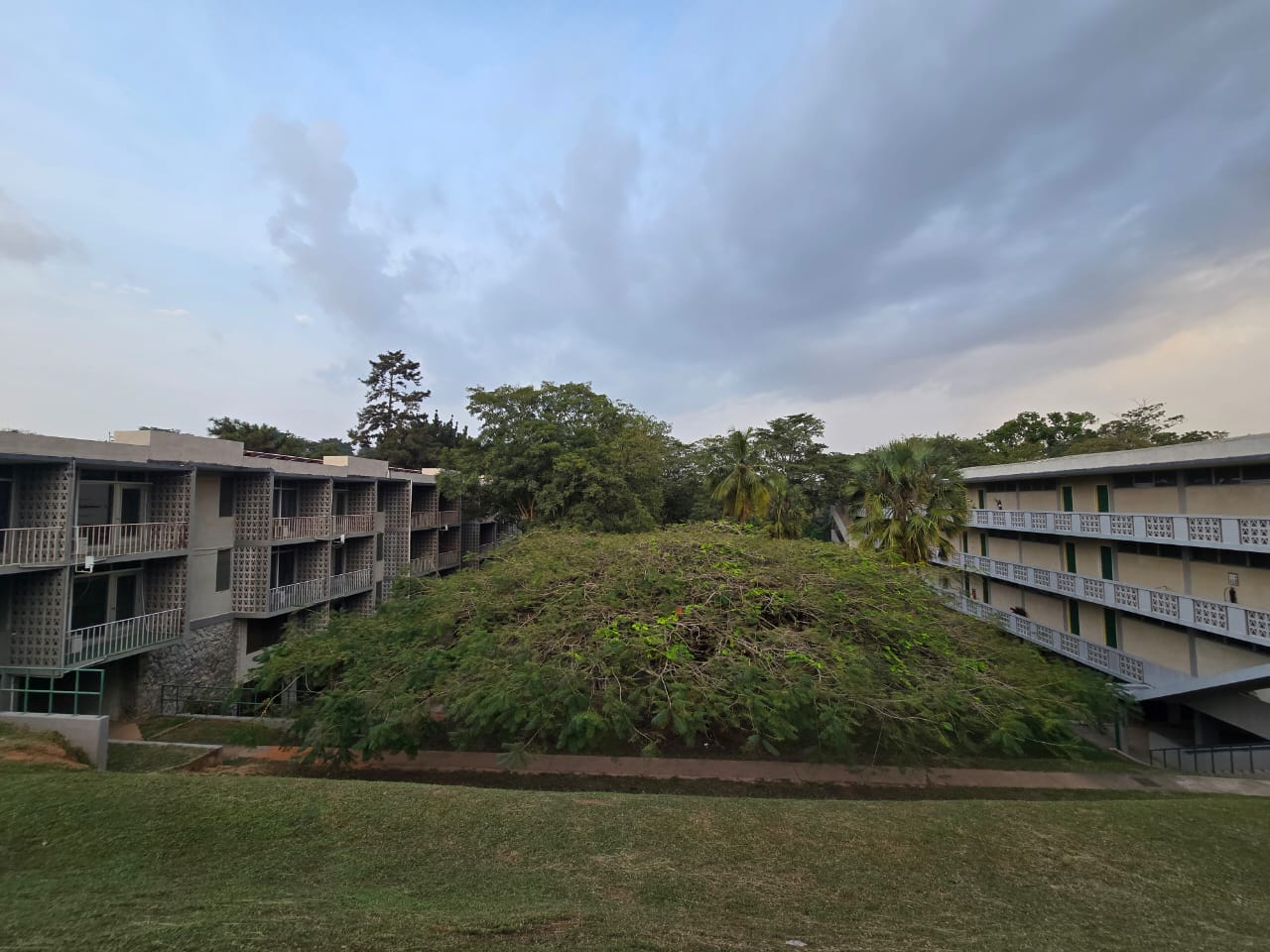
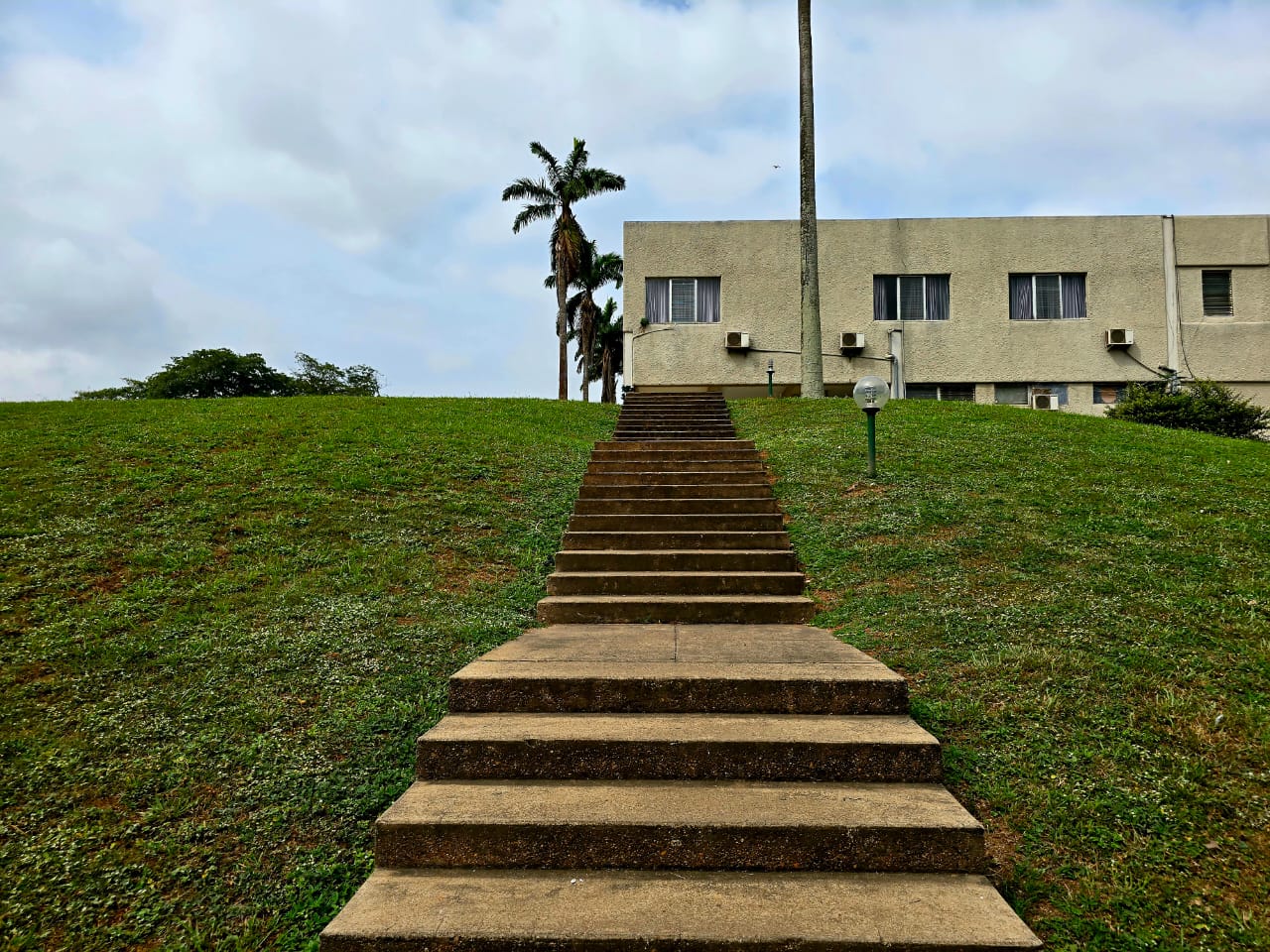
The first thing that arrests your attention is the architecture. These are unmistakably 1960s designs, functional, elegant, and timeless. If you were born in that era or grew up around its aesthetic, you will recognise it instantly.
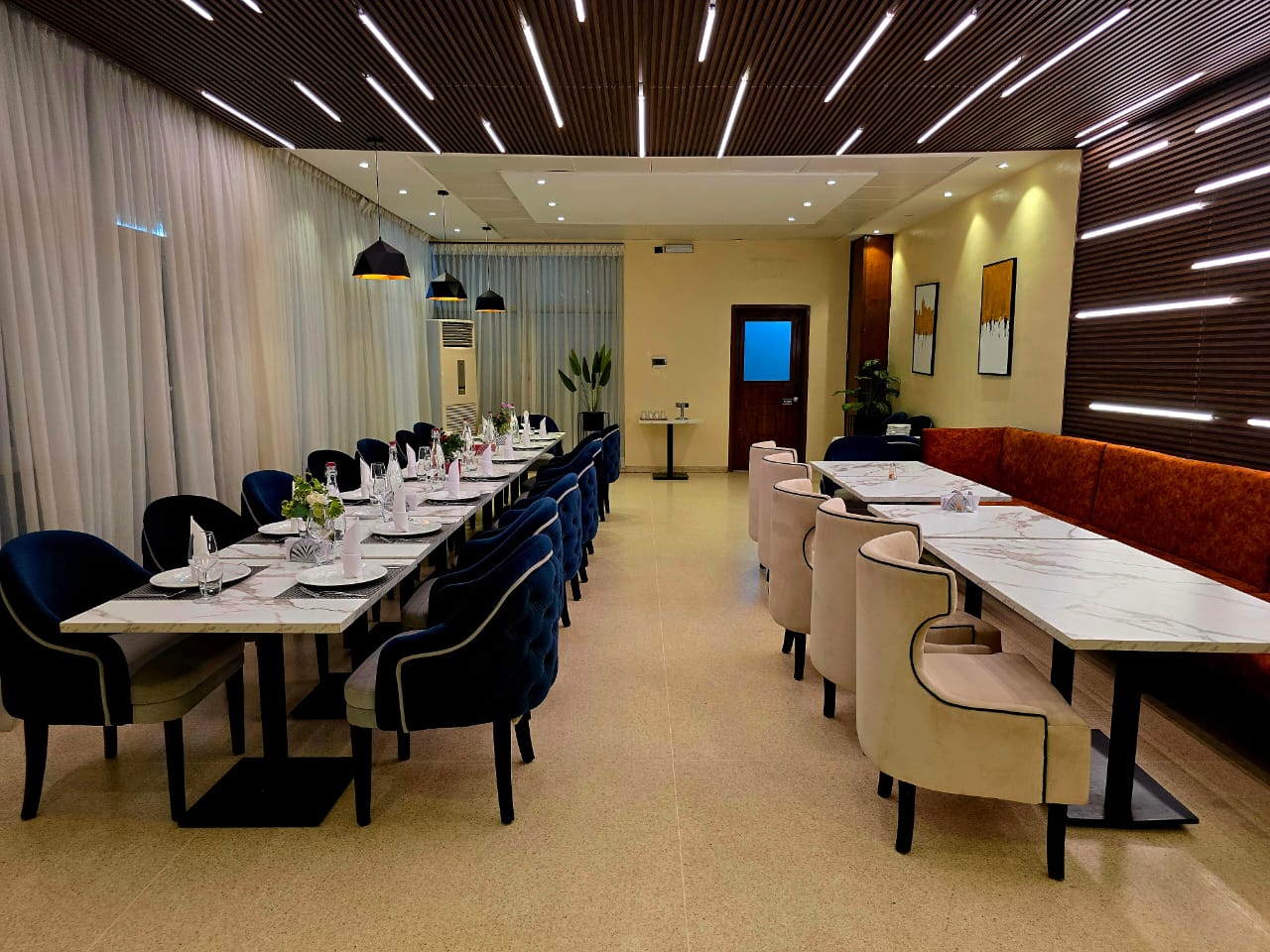
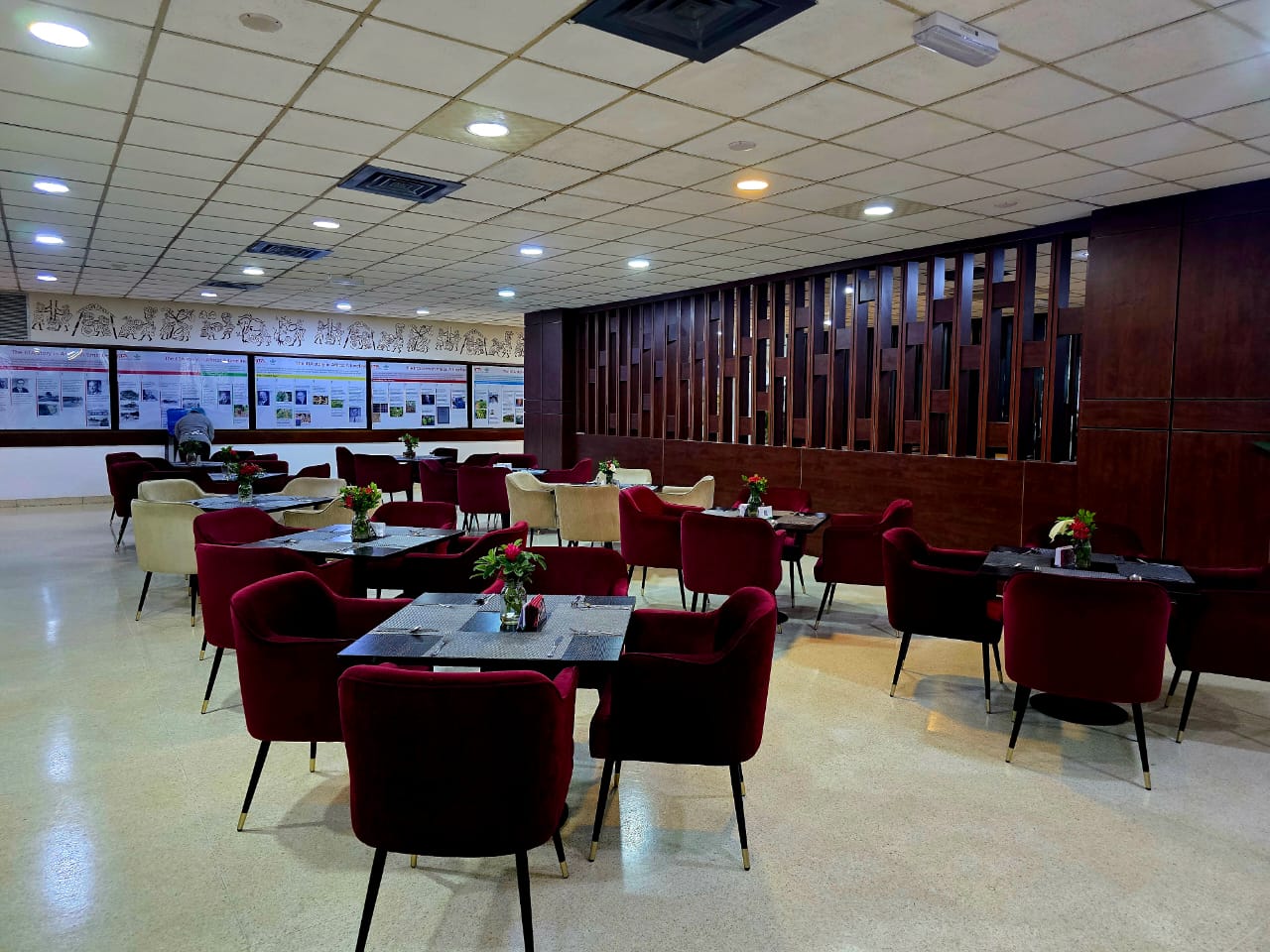
Step inside the rooms, and the feeling deepens. I was flabbergasted by how history and modernity coexist so seamlessly. The walls are solid and enduring, the doors and windows firm, the furniture well-kept, and the surroundings immaculately clean. Everything feels intentional. Nothing feels neglected.
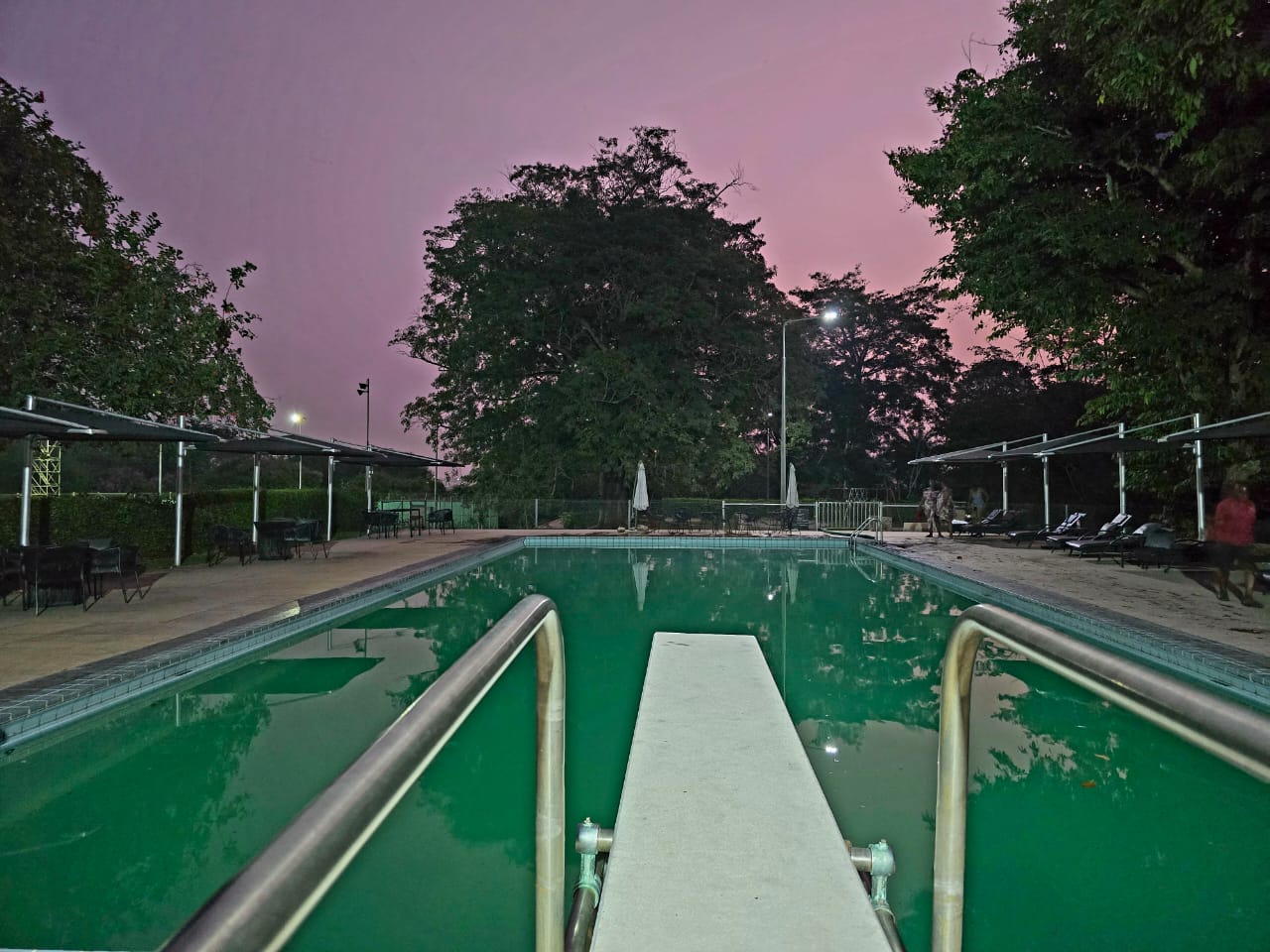
Landmass
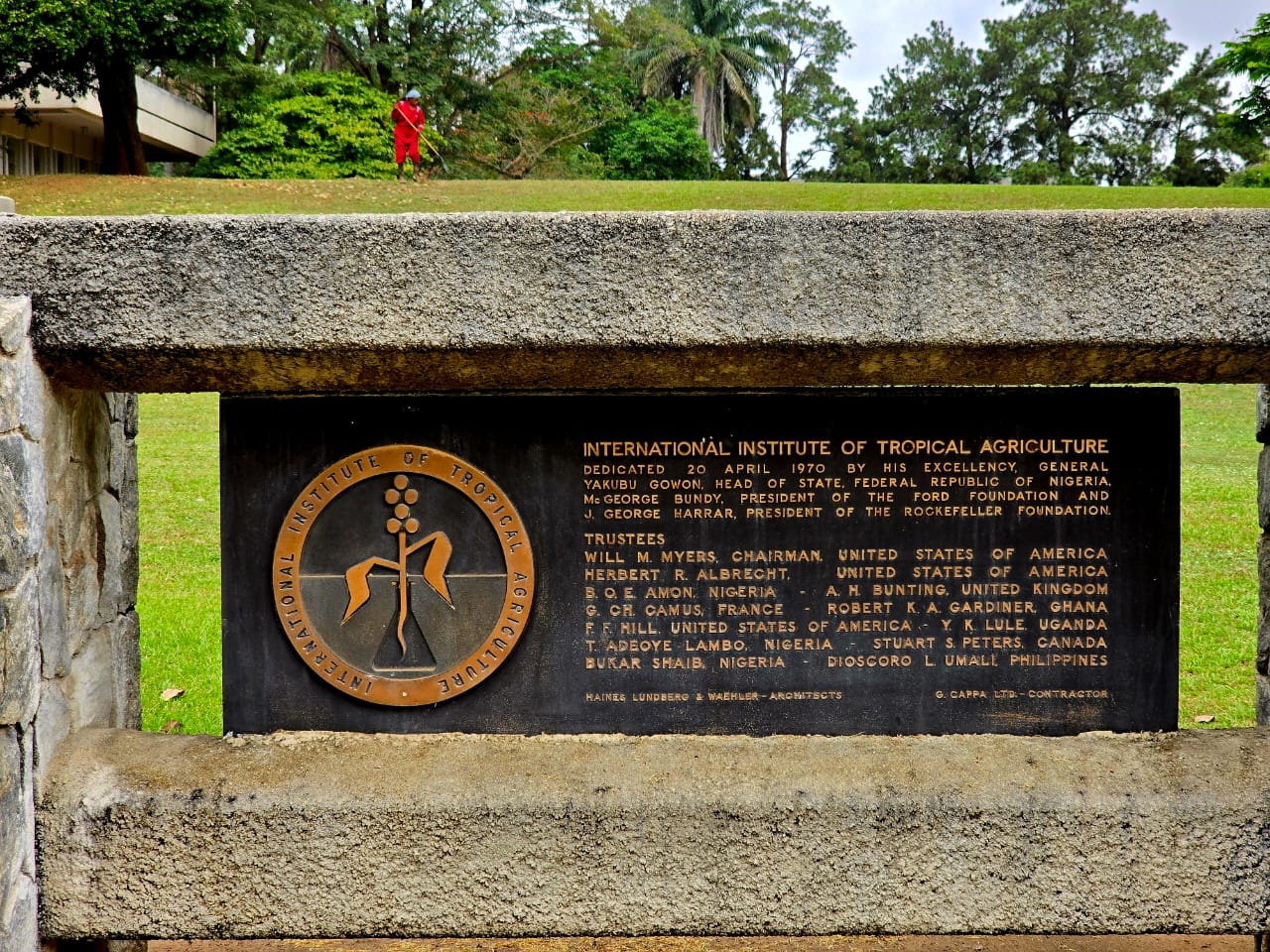
Built on approximately 1,000 hectares of land on the outskirts of Ibadan, IITA’s foundation followed legislative approval in 1965, in partnership with the Ford Foundation of the United States. Construction began in 1968, and by 1970, the first major structure, the Crop Threshing and Drying Building, was completed and inaugurated in the presence of Nigeria’s then Head of State, General Yakubu Gowon. From that moment, a long-term vision was set in motion, one rooted in science, sustainability, and service to humanity.
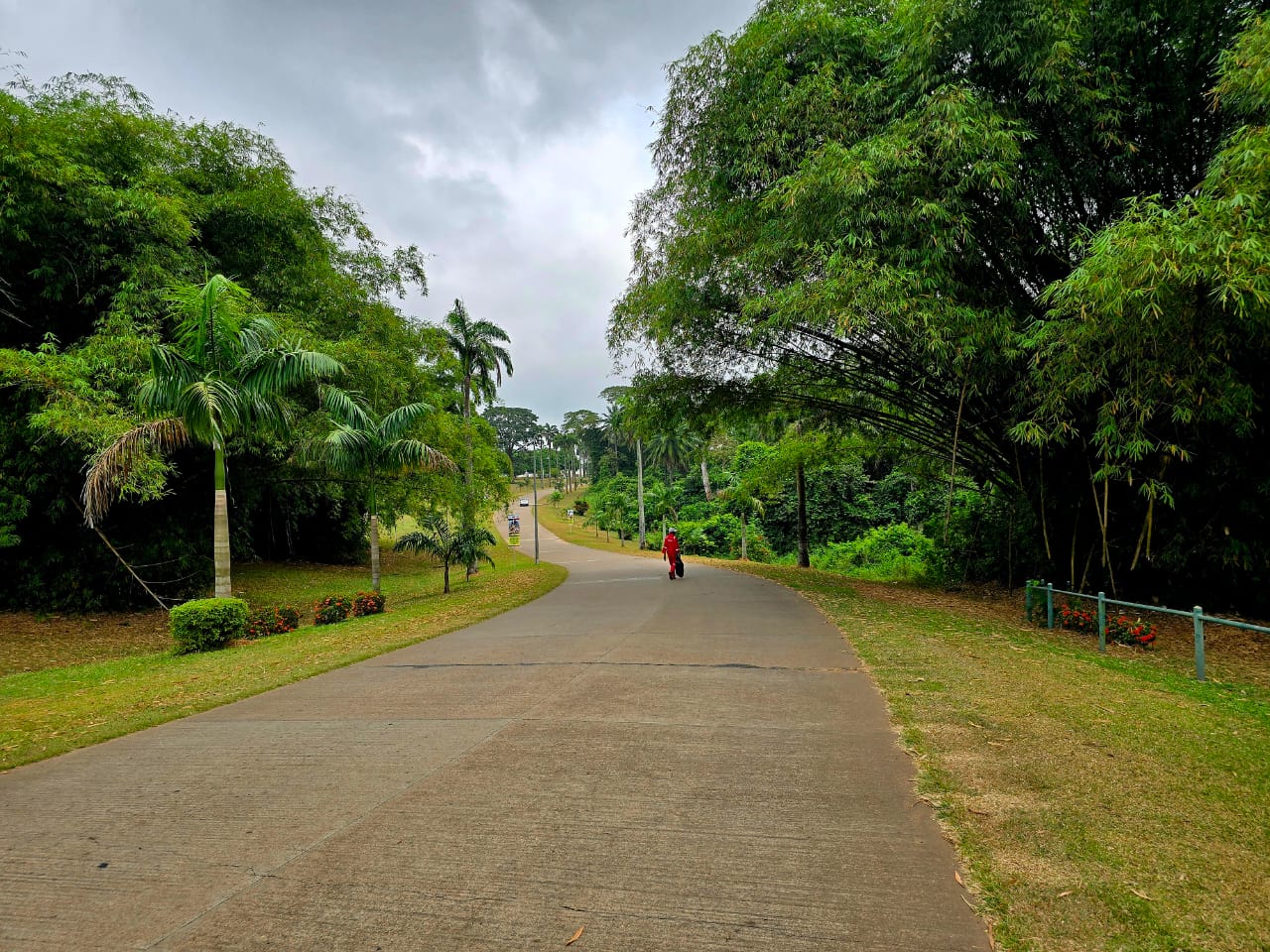
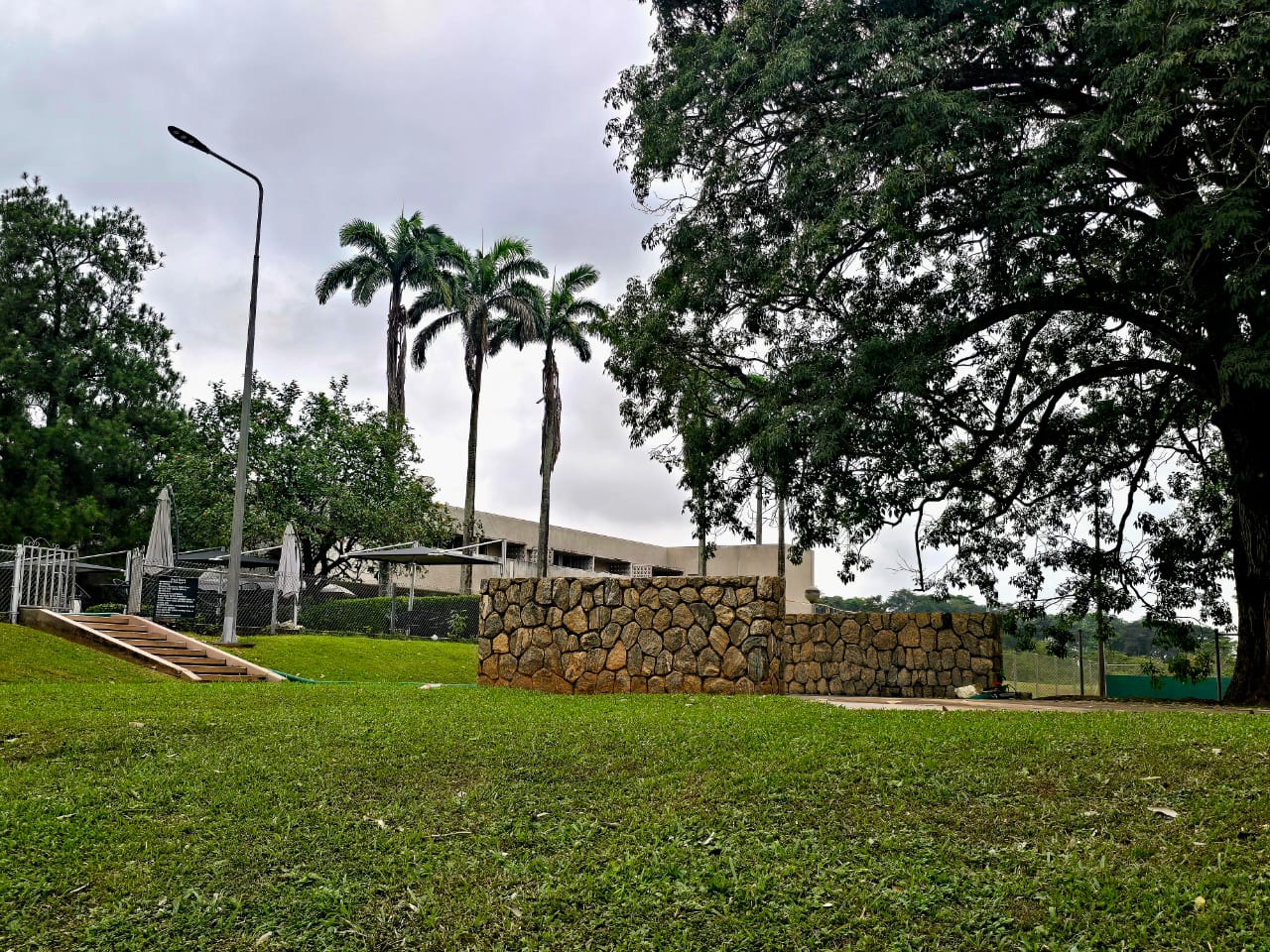
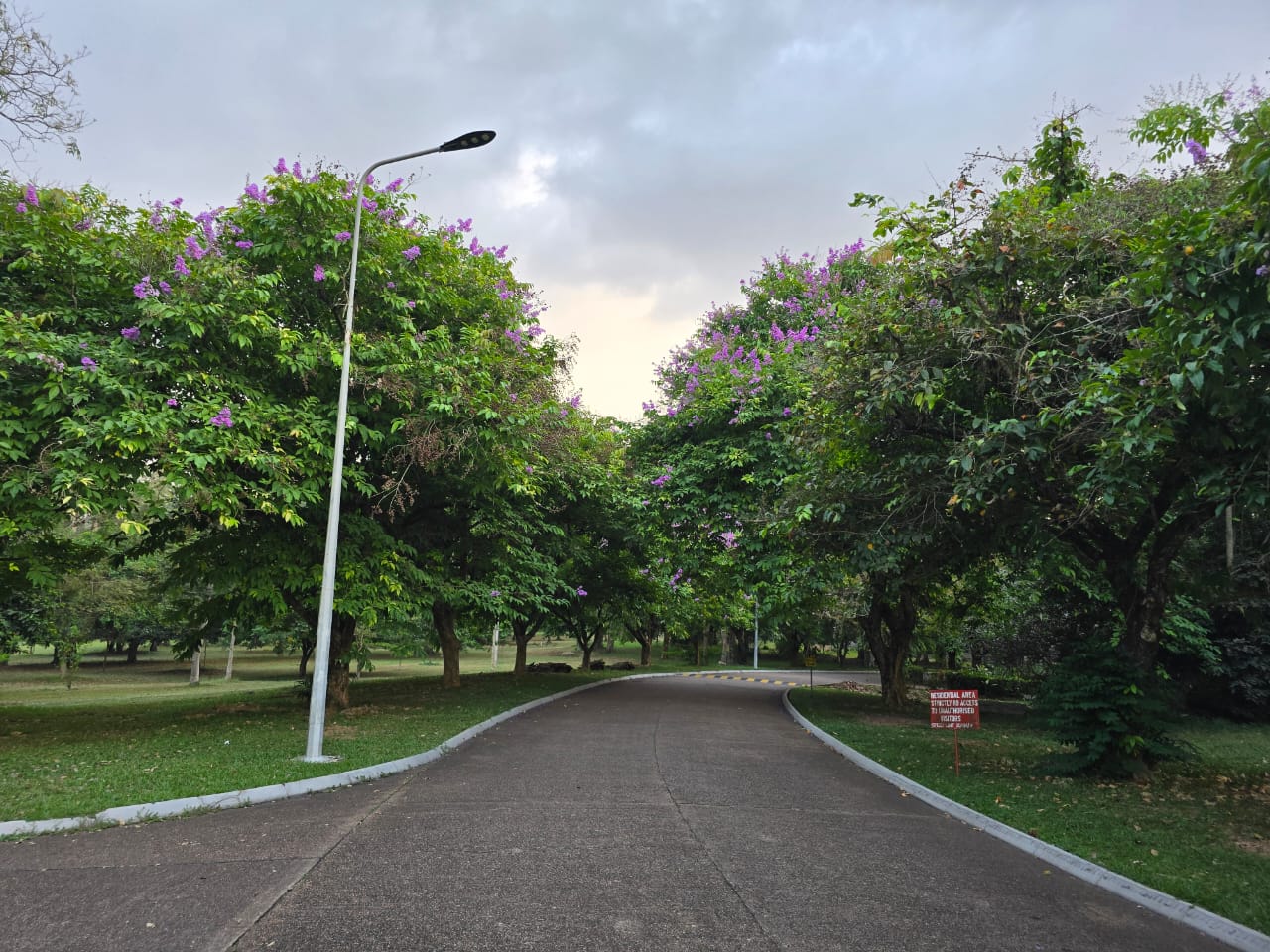
Walking through the research fields today, you find yourself quietly asking: Am I still in Nigeria? The road markings, street names, directional signs, and neatly tagged residences evoke vivid memories of America. If you have never been to the United States, spend time at IITA and you will understand what a well-planned suburban environment looks and feels like.
Super security
Security at the main gate deserves special commendation. The guards are disciplined, firm, and uncompromising, the first line of defense into the complex. Entry is not casual. Questions are asked. Payments are verified. Codes are checked. I was nearly frustrated by the thoroughness, until I realised that excellence begins at the gate. These men are the police and army of a larger, well-ordered society, and they cannot be compromised.
As you drive toward the reception area, the lawns reveal themselves. Perfectly manicured, uniformly trimmed, and immaculately green. Not a single blade of grass stands taller than the other. You begin to reflect deeply: how much we spend on personal grooming and luxury in Nigeria, yet how little attention we often give to our shared spaces. At IITA, the reverse is the case. Cleanliness, order, and respect for the environment are culture, not instruction.
The reception is staffed by courteous, well-mannered professionals. Warm without being excessive, efficient without being cold. As is my nature, I cracked one or two jokes, and they were warmly received. Soon enough, I was shown to my room.
Accommodation
Accommodation at IITA is thoughtfully designed to cater to different needs and lengths of stay. There are economy rooms for short visits and researchers on assignment, standard rooms that balance comfort with simplicity, and one-bedroom and two-bedroom apartments ideal for families, visiting scholars, and long-term guests. The rooms are not grandiose, yet nothing is lacking. The philosophy here is clear: less is more. What you may not get in five-star luxury, you gain many times over in serenity, space, and peace of mind.
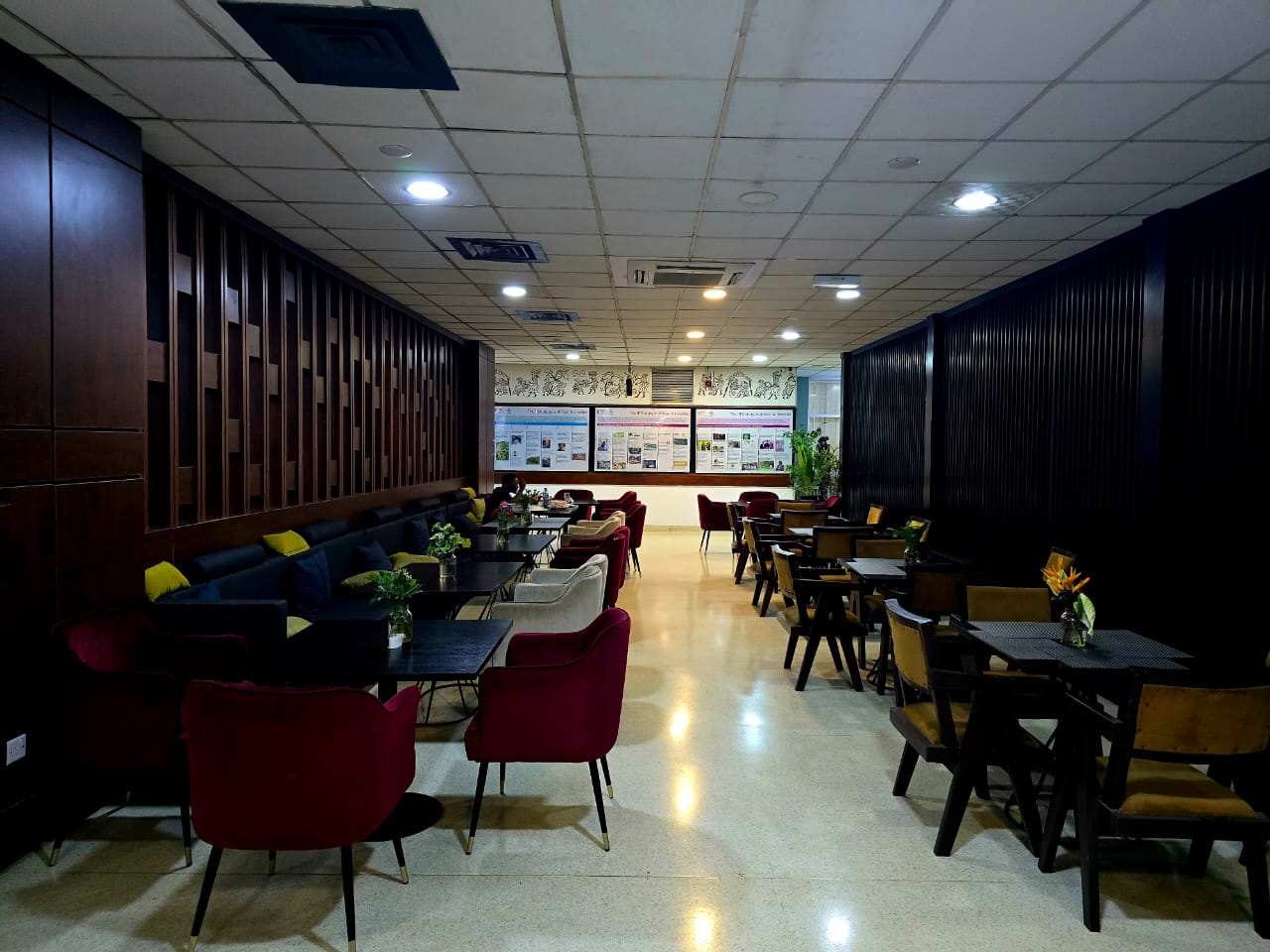
The true luxury of IITA lies in its environment. Surrounded by trees, birdsong, and expansive green spaces, the mind relaxes naturally. For creatives, writers, thinkers, artists, this place is a sanctuary. I know this because I intend to return, not only with my family for long walks along these beautiful streets, but also to spend at least one full month here alone, focused and undistracted, to conclude the memoir I have embarked upon. Few places in Nigeria offer this level of calm, safety, and intellectual inspiration.
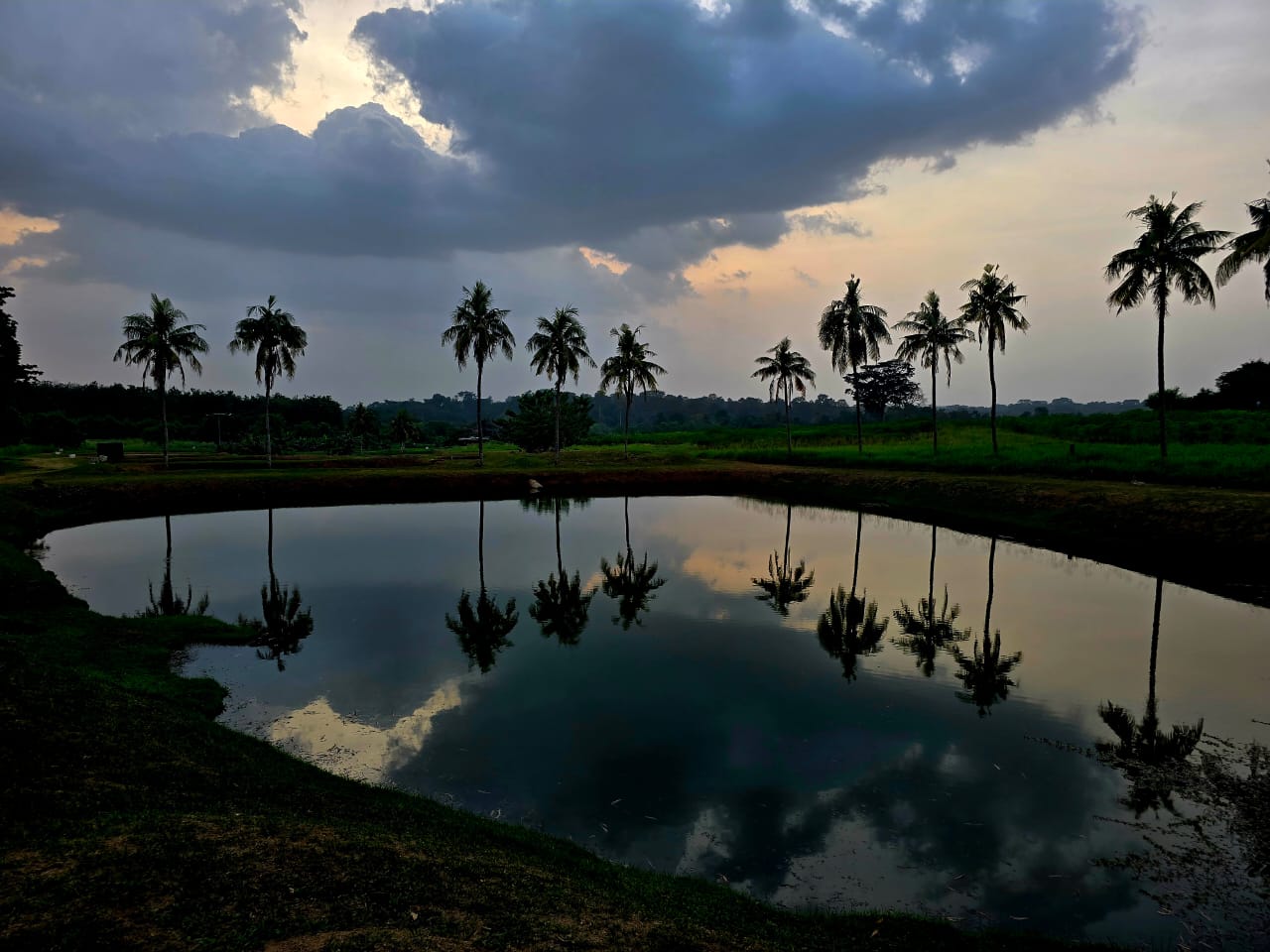
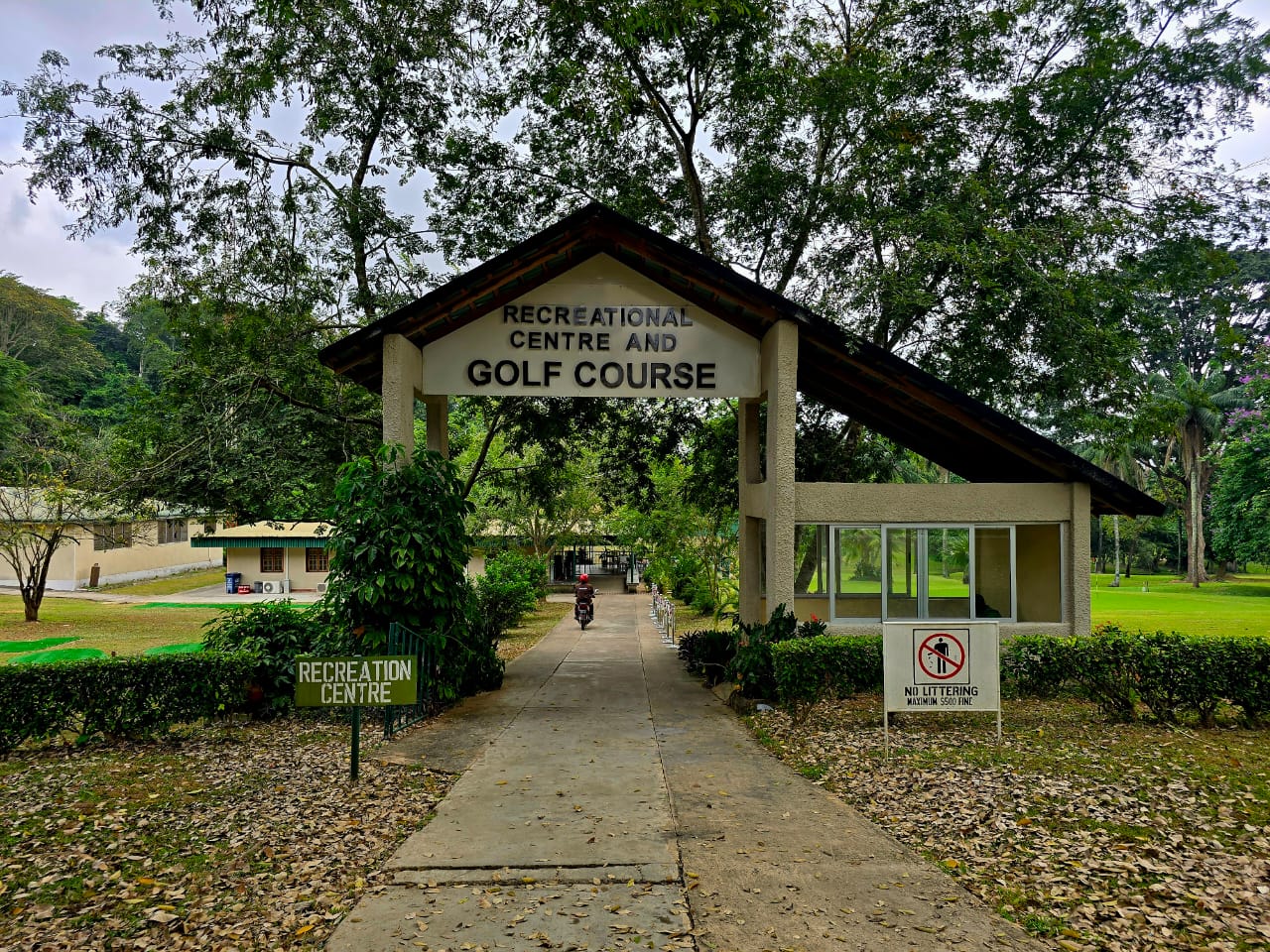
Tucked quietly within the emerald embrace of the International Institute of Tropical Agriculture (IITA) in Ibadan is a charming nine-hole golf course that feels less like a sporting ground and more like a gentle conversation with nature.
Framed by towering trees that have stood watch for decades, the fairways unfurl softly across the landscape, their greens mirrored by a serene lake that glistens under the Ibadan sky. Here, the rhythm of the game is slowed by birdsong, rustling leaves, and the reflective stillness of water, creating a sanctuary where leisure, research, and nature coexist in perfect harmony.
It is a place where time seems to pause, inviting golfers and visitors alike to breathe deeply, observe quietly, and appreciate the rare privilege of sport set within one of West Africa’s most lush and scientifically significant environments.
Among the many resorts and retreats I have visited across Nigeria, only Ikogosi Warm Springs Resort comes close in terms of serenity. Yet IITA surpasses it in purpose. This is not merely a place to rest; it is a place to think, create, and believe again.
Top of the seven wonders
And so, without hesitation, I place IITA, Ibadan at the very top of what I would boldly call the Seven Wonders of Nigeria. It is a place every Nigerian should visit at least once in their lifetime, before they meet their Maker. Not out of superstition, but out of understanding. To walk these grounds is to see what is possible when vision, discipline, continuity, and respect for legacy come together.
I recommend IITA, Ibadan wholeheartedly, to families, friends, scholars, creatives, and patriots who still believe in Nigeria’s potential. Visit it not just to admire its beauty, but to challenge your thinking, renew your hope, and carry the lesson elsewhere.
IITA is not just a research institute.
It is a quiet, powerful reminder of what Nigeria can be.
