

By Aderinola Adeogun
A visit to the hospital is supposed to bring relief and hope. Hospitals are meant to be places where lives are saved, pain is eased and healing begins.
However, for countless Nigerians, seeking medical help has become an experience marked by uncertainty, frustration and, in some cases, tragedy.
Nigeria’s healthcare system has long been plagued by inadequate funding, poor infrastructure, shortages of medical personnel and weak accountability mechanisms.
At the heart of many of these challenges lie corruption and systemic failures that continue to deny millions of Nigerians access to quality healthcare.
The consequences of these shortcomings are not merely reflected in statistics and government reports. They are visible in the experiences of ordinary citizens whose lives have been altered by a healthcare system that too often fails to protect them.
Mr John Williams, a retired school teacher who lives with his family in a rural community in Lagos, had been experiencing persistent health crises that made him visit a local clinic for medical help.
Like many Nigerians he trusted that the healthcare professionals would diagnose his condition and correctly provide the treatment he needed.
Instead, he was wrongly diagnosed and was not attended to promptly. He said he waited for several hours before he could get the attention of a doctor.
By the time he was being treated he had become weak and exhausted. And he was still feeling the symptoms of what brought him to the hospital.
He ended up spending a lot of money on treatments that did not improve his condition, leaving him emotionally and financially distressed.
When his condition was not ameliorating he sought help in another hospital. This time , it was discovered he had only been suffering from a urinary tract infection, a condition that could have been treated with antibiotics.
Before then, he had already undergone unnecessary treatment for kidney stones which was earlier diagnosed. He endured significant pain and spent a considerable amount of money.
.Another painful experience is that of Mrs Esther Obasa.
Mrs Obasa had been diagnosed with a medical condition and was advised to undergo surgery. Hoping for recovery, she agreed to the procedure.
However, after the operation, instead of getting better, she continued to experience severe pain and discomfort. Her condition failed to improve, and the pain became increasingly unbearable, causing emotional distress and affecting her daily activities.
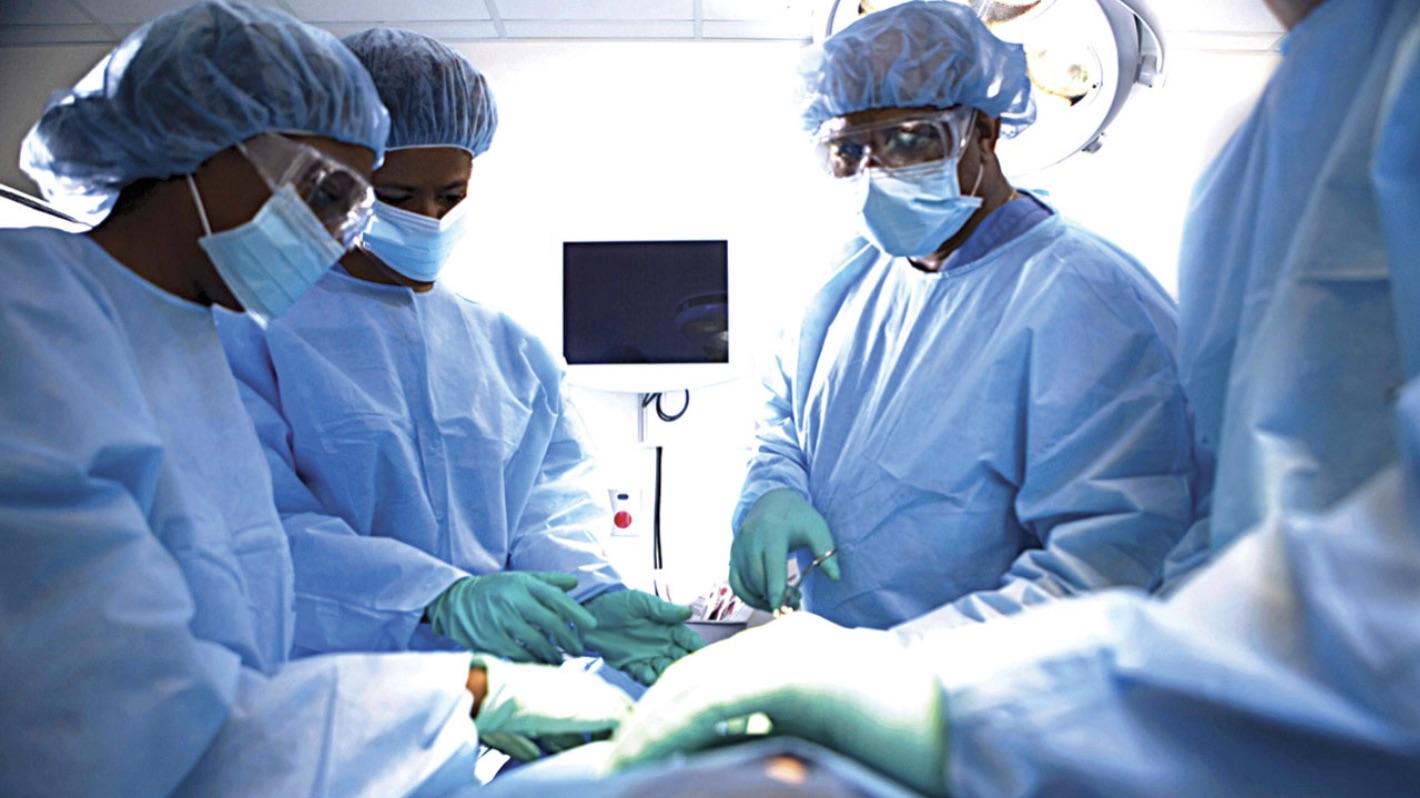
After repeatedly complaining about the severe pain, further examinations were conducted. It was reportedly discovered that a surgical instrument used during the operation had mistakenly been left inside her abdomen.
The discovery was devastating.
Not only had Mrs Obasa endured the pain and trauma of the initial surgery, but she was also informed that she would have to undergo another surgical procedure to remove the instrument that had been left inside her body.
“What I thought would bring healing became another nightmare,” she said. “I had to endure more pain, emotional trauma and additional expenses because of a mistake that should never have happened.”
Her ordeal and that of Mr Williams raise serious concerns about patient safety, professional standards and accountability in healthcare institutions.
Corruption in the healthcare sector does not always involve envelopes of cash changing hands. It often appears in less visible but equally damaging forms.
Experts argue that corruption in Nigeria’s healthcare sector is reflected in abandoned hospital projects, poorly equipped clinics despite budgetary allocations, shortages of essential drugs and the absence of effective monitoring systems.
The consequences are often borne by ordinary Nigerians who rely on public healthcare facilities and have limited alternatives.
Corruption can also be seen in hospitals that receive public funds but remain poorly equipped. It can be seen in procurement processes where contracts for medical equipment and drugs are allegedly inflated or mismanaged, resulting in healthcare facilities lacking essential supplies.
It can also be seen in situations where hospitals operate without adequate diagnostic tools, exposing patients to avoidable errors and delayed treatment.
Corruption also manifests in weak supervision, poor maintenance of medical equipment, inadequate monitoring of healthcare facilities, favouritism, lack of accountability and the failure to enforce professional standards.
These shortcomings often leave patients vulnerable to preventable mistakes and poor medical outcomes.
Across the country, many public hospitals continue to struggle with shortages of essential medicines, inadequate laboratory facilities, obsolete equipment and insufficient medical personnel. In some cases, patients are forced to purchase medications and medical supplies that should ordinarily be available in hospitals.
The departure of skilled professionals has further weakened an already strained healthcare system, resulting in increased workloads for the remaining healthcare workers and longer waiting times for patients.
Health experts say corruption in healthcare goes beyond the embezzlement of funds. According to them, when resources meant for hospitals are mismanaged, healthcare facilities lack essential drugs, adequate equipment and sufficient personnel. The result is delayed diagnosis, avoidable medical errors and poor patient outcomes.
They further note that a functional healthcare system should inspire confidence and provide safe, affordable and quality care for all citizens. To achieve this, experts have called for greater transparency in healthcare spending, improved welfare for medical workers, adequate investment in healthcare infrastructure and stronger accountability mechanisms.
Families spend their savings seeking treatment that should have been affordable and accessible. Patients suffer complications because illnesses are not diagnosed on time. Some are pushed into poverty by mounting medical expenses, while others lose loved ones because necessary care was unavailable or delayed
Healthcare is not a privilege reserved for a few Nigerians. It is a fundamental human right. Every citizen deserves access to quality, affordable and safe medical care regardless of social or economic status.
Nigeria cannot build a healthy and productive society if its citizens continue to fear the very institutions meant to protect them. Hospitals should be places of healing, not centres of uncertainty and avoidable suffering.
Health experts say corruption in healthcare goes beyond the embezzlement of funds. According to them, when resources meant for hospitals are mismanaged, healthcare facilities lack essential drugs, adequate equipment and sufficient personnel. The result is delayed diagnosis, avoidable medical errors and poor patient outcomes.
They further note that a functional healthcare system should inspire confidence and provide safe, affordable and quality care for all citizens. To achieve this, experts have called for greater transparency in healthcare spending, improved welfare for medical workers, adequate investment in healthcare infrastructure and stronger accountability mechanisms.
The consequences of corruption in healthcare are devastating.
Families spend their savings seeking treatment that should have been affordable and accessible. Patients suffer complications because illnesses are not diagnosed on time. Some are pushed into poverty by mounting medical expenses, while others lose loved ones because necessary care was unavailable or delayed.
Healthcare is not a privilege reserved for a few Nigerians. It is a fundamental human right. Every citizen deserves access to quality, affordable and safe medical care regardless of social or economic status.
The stories of Mr John Williams and Mrs Esther Obasa are reminders that the cost of corruption and poor accountability in healthcare is measured not only in naira and kobo but also in human suffering. Behind every delayed diagnosis, medical error and poorly equipped hospital is a patient whose life has been disrupted.
Nigeria cannot build a healthy and productive society if its citizens continue to fear the institutions meant to protect them. Hospitals should be places of healing, not centres of uncertainty and avoidable suffering.
Indeed addressing corruption in the healthcare sector requires more than promises and policy statements. It demands transparency in the management of public funds, adequate investment in healthcare infrastructure, improved welfare for medical personnel and strict accountability for negligence and misuse of resources.
