

By Oyewole Sarumi
Introduction:
This article is a follow-up on the first one titled: “The Legacy of Jimmy Swaggart: A Warning for Church Leaders to Guard Their Walk and Legacy* published in the Churchtimes in August 2025.
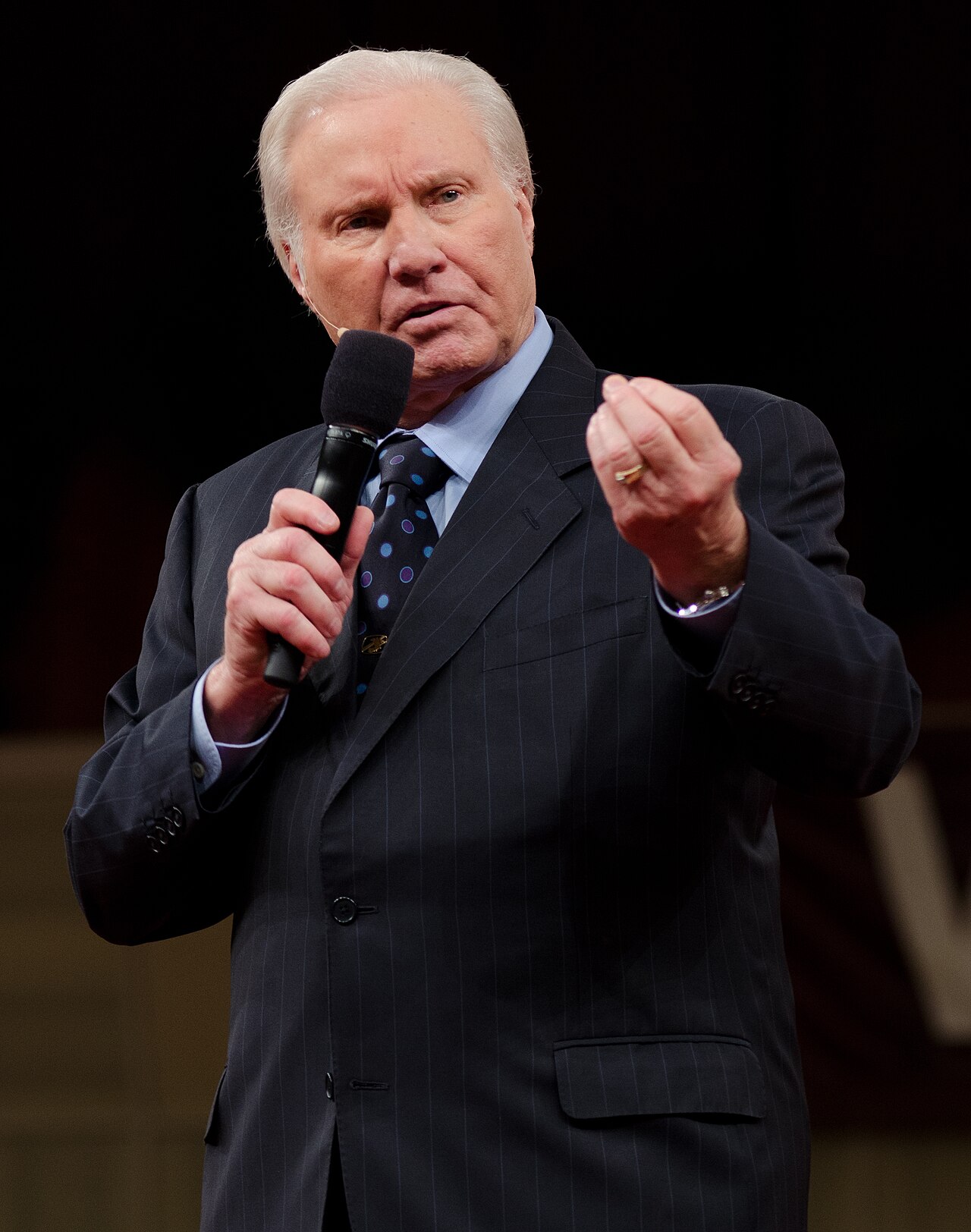
I am still of the opinion that Jimmy Swaggart’s death at 90 was a moment of reflection for many church leaders, especially those who are sinning in secret, when one considers the headlines that followed: “Televangelist Caught with a Prostitute.”
Despite his significant contributions to the gospel and millions of lives impacted by his ministry, the world quickly reduced his legacy to a single scandalous incident.
This tragic irony is a stark reminder to all church leaders that public failure can overshadow years of faithful service, and the consequences of moral failure are far-reaching.
Swaggart’s story is not just about his moral fall but about the cautionary tale it offers to Christian leaders today. While we may understand that God forgives, the reality of public failure is that men remember.
Church leaders, whose roles involve guiding others towards spiritual growth, must remain vigilant and lead with integrity, for the consequences of compromise can be devastating—not just for the leader, but for the ministry and the Kingdom of God.
This article delves into the lessons that today’s Christian leaders can learn from the life and legacy of Jimmy Swaggart. It emphasizes the importance of living a life above reproach, avoiding the snares of temptation, and building a leadership legacy that stands firm in holiness and integrity.
The Importance of Personal Integrity in Ministry
Ministers of the gospel are often held to higher standards, not just by the world, but by God. The Apostle Paul speaks clearly in 1 Timothy 3:2, stating that an overseer must be “blameless” and “above reproach.” This call is not just for the sake of personal holiness but to uphold the integrity of the ministry. Swaggart’s fall demonstrated how the inability to guard one’s moral life can lead to a loss of credibility and the tarnishing of a ministry that once brought many to Christ.
Integrity is foundational in leadership. A leader’s personal life cannot be compartmentalized from their public life, especially when they are entrusted with the souls of others. The moment a leader compromises on integrity—whether in finances, relationships, or character—the credibility of their ministry begins to falter. James 3:1 warns that “Not many of you should become teachers, my fellow believers, because you know that we who teach will be judged more strictly.” This heightened responsibility requires a lifestyle of holiness, accountability, and vigilance.
Lesson from Swaggart’s Story: Leadership in the Kingdom must be built on a foundation of integrity. Without it, the ministry can lose its effectiveness, and the leader can become a stumbling block to others.
The Call to Holiness and Accountability
One of the most glaring aspects of Jimmy Swaggart’s downfall was his failure to maintain accountability. Church leaders, particularly those with large ministries, often operate in isolation. This isolation can create an environment where sin is not confronted, and weaknesses are left unchecked. Swaggart’s public repentance after his scandal is a testament to the grace of God, but it also highlights the absence of accountability during the years leading up to his failure.
Proverbs 27:17 reminds us that “As iron sharpens iron, so one person sharpens another.” This verse is crucial for church leaders today. No matter how gifted or anointed a leader may be, they cannot afford to lead without strong accountability relationships. Whether through mentors, fellow leaders, or trusted peers, accountability ensures that leaders are not left to navigate temptation alone. Ecclesiastes 4:9-10 also tells us, “Two are better than one… if either of them falls down, one can help the other up.” The key to maintaining holiness is not self-reliance but a community of believers who are willing to help keep each other accountable.
Lesson from Swaggart’s Story: No leader is immune to temptation, and accountability is essential. Surround yourself with trusted, godly individuals who can speak into your life and correct you when necessary.
The Price of Compromise: How Sin Impacts the Ministry
Swaggart’s fall was not just a personal failure—it had profound implications for his ministry. The world remembered him not for the millions of lives he impacted but for the moment of compromise. This is a powerful reminder that sin, even in small moments, can have lasting consequences. The Bible warns that “your sin will find you out” (Numbers 32:23). In Swaggart’s case, his moral failure became a headline that overshadowed decades of fruitful ministry.
Church leaders must realize that the temptation to compromise—whether in finances, relationships, or personal integrity—can have far-reaching effects. Galatians 6:7 says, “Do not be deceived: God cannot be mocked. A man reaps what he sows.” When leaders fail to live in holiness, it not only harms their personal walk with God but also damages the reputation of the ministry they serve. The trust and respect that once existed can be irreparably damaged in a single moment.
Lesson from Swaggart’s Story: Church leaders must realize that their actions, no matter how private, can have far-reaching consequences. A life of integrity is essential to safeguarding the ministry and the people entrusted to their care.
Leading with a Servant’s Heart and a Visionary’s Mind
Christian leadership requires a unique balance of humility and vision. In many ways, Swaggart’s leadership was marked by his ability to reach millions with his powerful preaching and music. However, true leadership in the Kingdom requires more than talent or charisma—it demands a heart of service and a mind that is firmly fixed on God’s purpose.
Matthew 20:26-28 reminds us, “Whoever wants to become great among you must be your servant.” Jesus, the greatest leader of all, led by serving others, not by dominating them. Church leaders must adopt this servant leadership model, where they prioritize the needs of others over their own ambitions.
At the same time, leaders must maintain a visionary mindset—one that looks beyond immediate challenges and seeks God’s plan for the future. Proverbs 29:18 says, “Where there is no vision, the people perish.” Leaders must have clarity of purpose and direction to guide their teams and ministries forward.
Lesson from Swaggart’s Story: A leader must balance the heart of a servant with the vision of a lion. Serving others while leading with boldness and clarity is essential for effective Christian leadership.
The Power of Repentance and Redemption
One of the greatest aspects of Swaggart’s story is his public repentance. Although he fell into sin, Swaggart’s repentance showed that God’s grace is greater than our failures. 1 John 1:9 assures us, “If we confess our sins, he is faithful and just and will forgive us our sins and purify us from all unrighteousness.” There is no sin too great for God’s forgiveness, and leaders who fall must seek God’s redemption. However, public sin often requires public repentance, and this is where the church’s response becomes crucial.
Leaders in the church must understand that their actions have consequences, but they must also recognize that repentance and redemption are part of the Christian walk. A leader’s ability to admit their failures, seek forgiveness, and restore their relationship with God is vital for personal healing and ministry restoration.
Lesson from Swaggart’s Story: Sin has consequences, but repentance leads to restoration. Christian leaders must model humility by acknowledging their failures, repenting, and seeking God’s grace.
Living a Legacy Worth Remembering
Swaggart’s legacy is a reminder of the importance of building a legacy that glorifies God. While his sin overshadowed much of his good work, the truth remains that his ministry did impact millions. Church leaders today must ask themselves: What kind of legacy am I building? Is it one that points to the greatness of God, or one that reflects my personal ambitions and failures?
The Bible encourages leaders to “finish the race” (2 Timothy 4:7) and to build with eternal values in mind. A legacy built on truth, integrity, and service will outlast any temporary success or failure. Matthew 6:19-20 warns, “Do not store up for yourselves treasures on earth… but store up for yourselves treasures in heaven.” Christian leaders must seek to build a legacy that will not fade with time but will echo throughout eternity.
Lesson from Swaggart’s Story: Our legacy is shaped by the choices we make today. Live with integrity, humility, and a heart for God’s Kingdom, and your legacy will be one that glorifies God, not just for today, but for generations to come.
Conclusion: A Call to Holiness and Accountability
The life of Jimmy Swaggart stands as both a warning and a reminder to church leaders everywhere. While the world may remember our failures, God offers forgiveness and restoration to those who seek it. But we must not take grace for granted. Church leaders must lead with integrity, be accountable, and live in holiness, guarding our hearts from temptation.
As we strive to build ministries that glorify God, let us remember the powerful lessons from Swaggart’s life. Let us pursue holiness, remain accountable, and build legacies that reflect the love, grace, and truth of our Savior. Our leadership is not just about preaching the gospel—it’s about living the gospel in a way that points others to Christ, no matter the cost.
