

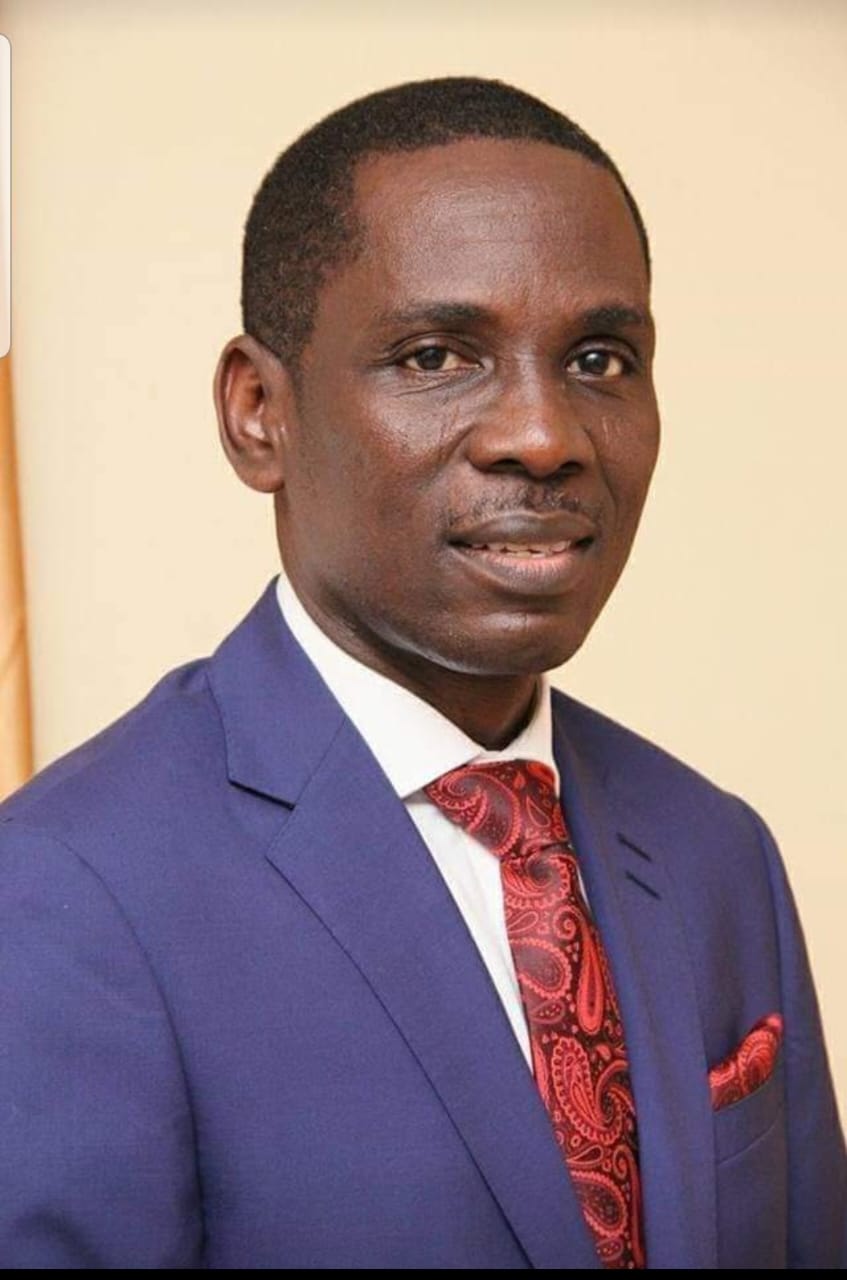
By Rev Toyin Kehinde
When falsehood flows from the pulpit, it shakes the very foundation of faith.
Few things wound the heart of a congregation like discovering that a trusted leader has not been truthful. When a pastor or prophet manipulates a testimony — or worse, fabricates one — the damage extends far beyond embarrassment. It undermines faith itself.
In today’s Pentecostal movement, we face a growing credibility crisis. Testimonies, once meant to affirm the power of God, have become tools of persuasion, marketing, and control. And when spiritual leaders engage in exaggeration or deceit, they do not merely weaken their own ministries — they erode the moral authority of the Church.
The Weight of the Pulpit
Leadership in the church carries spiritual gravity. A pastor’s words shape belief; a prophet’s declarations influence destiny. People trust their leaders because they believe those leaders stand before God on their behalf. That is why deception from the pulpit is not a small sin — it is spiritual malpractice.
When leaders lie, they do not just mislead their followers — they misrepresent God. The pulpit becomes a stage for performance rather than a platform for truth. And the audience, though moved in the moment, eventually becomes disillusioned when the truth emerges.
“A false testimony from a leader does not build faith — it builds idolatry. People start trusting the preacher more than they trust God.”
Why Leaders Fall into the Trap
It is tempting to assume that every false testimony comes from bad motives. But often, the roots are more complex — and deeply human.
Some pastors feel pressured to maintain the image of constant spiritual power. In a culture where numerical growth and social media visibility are treated as marks of divine approval, the urge to “produce results” can become overwhelming. Ordinary stories of grace may seem too small to sustain the excitement of the crowd.
Others justify embellishment as a form of “faith encouragement” — reasoning that if a story moves people to believe, then the end justifies the means. But truth that depends on lies cannot produce lasting faith. God does not need our exaggeration to prove His power.
The line between testimony and deception often begins with a single word: pressure.
The Consequences of False
The ripple effects of deception from the pulpit are wide and deep. First, it damages believers’ faith. When members discover that a leader’s claims were false, they begin to question not just the man but the message — and sometimes, the very existence of God.
Second, it discredits the Church in the eyes of the world. Critics already see religion as a refuge for manipulation; false testimonies confirm their suspicions. The gospel loses moral credibility, and sincere ministries suffer because of others’ dishonesty.
Third, it enslaves the liar. Every untruth told to impress the congregation becomes a burden to maintain. The leader must keep performing, keep pretending, keep outdoing yesterday’s story — until ministry becomes a prison of performance rather than a calling of service.
“A ministry built on lies will always require more lies to stay alive.”
Biblical Warnings Ignored
Scripture offers sobering warnings about this. Ananias and Sapphira were struck down not because they gave little, but because they lied (Acts 5).
Gehazi, Elisha’s servant, was cursed for manipulating a testimony of generosity for personal gain (2 Kings 5). Even Moses lost entry into the Promised Land because he misrepresented God before the people (Numbers 20).
Yet today, some preachers play loosely with truth in the name of “building faith.” They claim miracles that never happened, inflate numbers, or present unverifiable stories of supernatural events. But the God of truth does not bless lies — no matter how spiritual they sound.
The Loss of Moral Authority
When falsehood becomes common among spiritual leaders, society suffers. The church, which once spoke boldly against corruption in business and politics, now faces the same accusation. How can a preacher who fabricates testimonies speak credibly against public deceit?
Moral authority is not inherited through titles; it is earned through integrity. The church cannot be a voice for truth in the nation while tolerating deception in the sanctuary.
“A lying pulpit cannot produce a truthful people.”
Restoring Truth to the Altar
The way forward begins with repentance — not only from individual leaders but from an entire system that rewards hype over holiness. The Church must return to valuing truth as the highest expression of spirituality.
Pastors should resist the temptation to make God look “more powerful” through exaggeration. The gospel needs no improvement. God’s grace is already enough — in its natural, unembellished form.
Accountability structures must also be i. Churches should verify testimonies before broadcasting them. Ministries must prioritize integrity over influence. And congregations must learn to celebrate honesty — even when it sounds ordinary.
A Call to Courage
Telling the truth takes courage. For a leader, admitting “I don’t know,” or “It hasn’t happened yet,” can feel like weakness. But in God’s eyes, truth-telling is strength.
The pulpit must once again become a place where truth stands taller than charisma, where honesty outweighs applause, and where authenticity replaces ambition.
Because when truth returns to the altar, trust will return to the church.
Read Part 1 of this article: Follow the link https://churchtimesnigeria.net/truth-on-trial-when-testimonies-cross-the-line-part-1
Conclusion: A Crisis of Character
The crisis facing the Pentecostal church is not a lack of miracles but a lack of integrity. The greatest revival we need today is not louder miracles, but cleaner hearts.
If the Spirit of Truth truly dwells in us, then our testimonies — especially those of our leaders — must reflect His nature. The world will not believe our message until it can trust our words.
The Church must decide: will we keep performing, or will we start telling the truth? Because the credibility of our faith depends on the integrity of its messengers.
I come in peace
Toyin Kehinde
Rev Kehinde was former PFN southwest Secretary
