Nigerian corporate trainer, public speaker, and entrepreneur Bosede Olusola-Obasa has stated that being an expert in a particular field is not enough for an enduring career; rather, professionals must combine their expertise with top-notch relational skills.
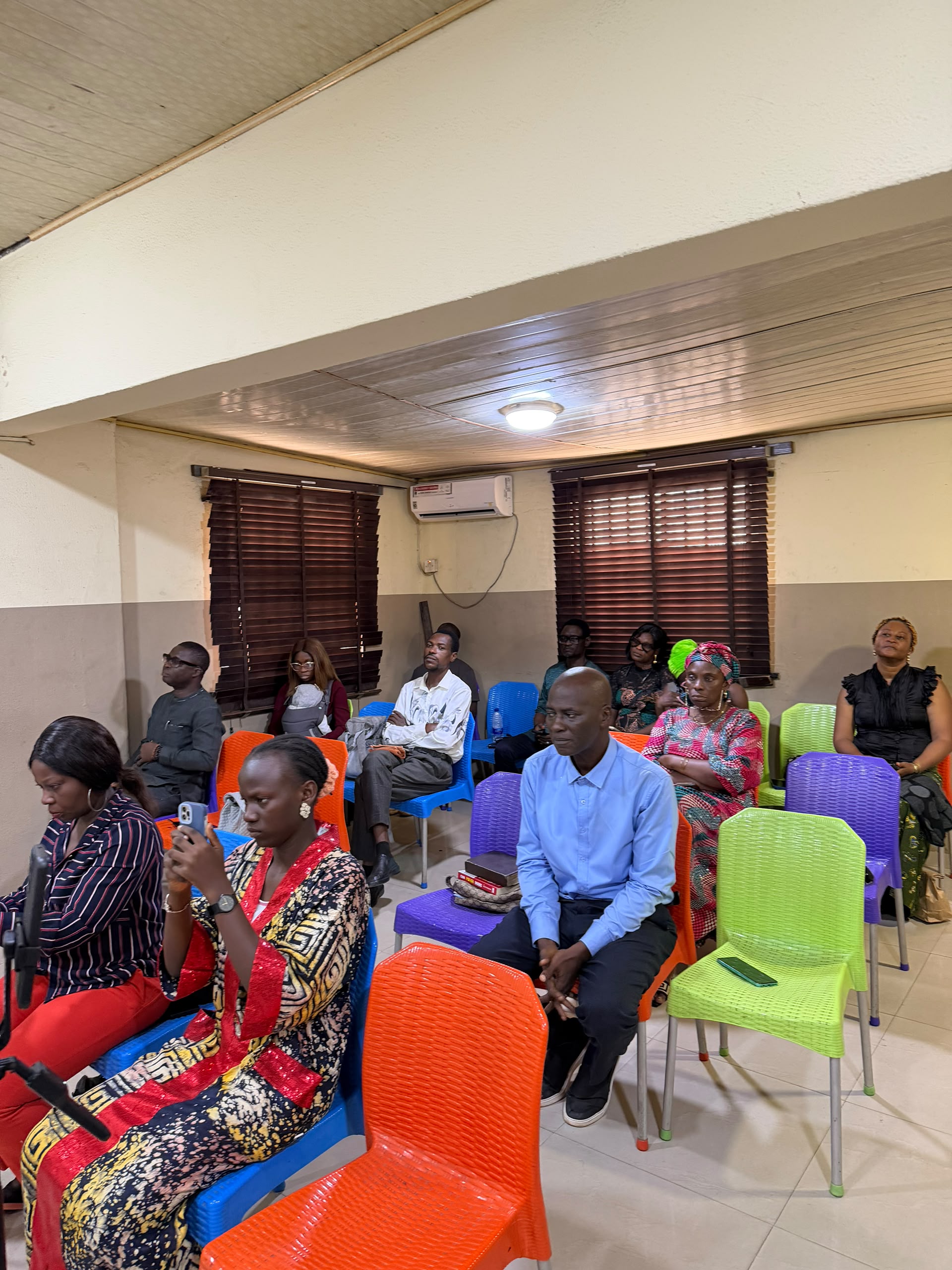
She made the submission while speaking at a meeting of the Journalists For Christ (JFC) International Outreach in Ogba, Lagos, on Saturday, June 27.
Speaking on workplace legacy, Olusola-Obasa took her listeners through the nitty-gritty of work philosophy, establishing that it is not just the “what” of work that matters ultimately, but the “how” and the “who.”
Using Colossians 3:23 (NIV) as her anchor scripture, she said, “Whatever you do, work at it with all your heart, as working for the Lord, not for human masters.’
She explained that many people excel when it comes to the “what” of work. “Many people know what to do at their workplace. They are professionals with all kinds of certificates. They know the job and they can perform excellently well. But that is not enough to take you far in life,” she said.
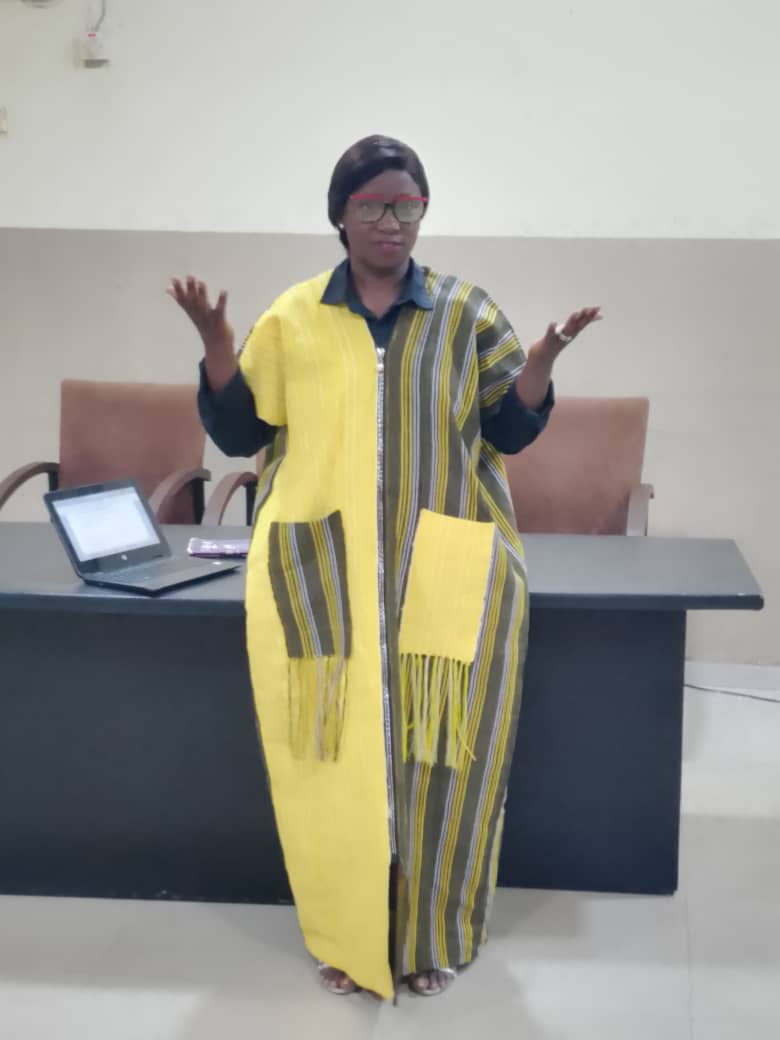
The who and how of of work
According to her, knowing what to do is not as important as knowing how to do it and the “who” behind it. “The ‘how to do it’ has to do with your conduct at the workplace. How do you conduct yourself? It’s good to be self-assertive and proud of yourself, but in doing that, do you put other people down? That is the question we must ask ourselves.”
She further explained that the “who” of work relates to the worker’s relational life. “If you can’t relate well with people, you are not qualified to be a good manager. That is where the dividing line is. There are too many people who are qualified for jobs, but what sets a manager apart is the ability to relate well and manage people.”
Olusola-Obasa, who is primarily known for her focus on social capital, character development, and workplace productivity, said she is a strong advocate of using character as a metric to appoint leaders in the workplace. As the Managing Director and CEO of 1st Royal Character & Values Limited (RCV), she has led many discussions in this area. Through its training arm, the Royal Character Academy, she conducts corporate culture integration, workplace ethics, and leadership training across various industries.
On leadership
She shared at the JFC meeting that she took two vital lessons from her former employer before venturing out as an entrepreneur: how to be a leader, and how not to be a leader.
”I have come to understand that in order to create an enduring legacy at the workplace, one has to go beyond qualifications. It is a combination of work, conduct, and relationships,” she noted.
Earlier in her presentation, she pointed out that the influence Christians have in the workplace is not about their own person, but about who owns them.
”Our impact in the marketplace should not be lesser because of the person we serve. It should be more. It is not about who we are, but about who we are representing, which is Christ. He is the one backing us.”
She emphasized that a workplace legacy is built through daily interactions. “It is not only about who you are, but what you are to the people after you must have left your workplace or changed roles,” she said.
While noting that the workplace is a primary environment for fostering relationships, she added, “Your attitude to work tells a lot about who you are. Your attitude to work can open doors for you or shut them. It’s a spirit. It has a life.”
A former journalist with The Punch, Olusola-Obasa noted that journalism is a noble profession that provides vast opportunities for practitioners. However, she urged journalists to live up to their billing as “gentlemen of the press.”
At the end of her 40-minute presentation, she took time to answer questions on a variety of issues.
The President of JFC, Mr. Lekan Otufodunrin, expressed great appreciation to her for being a blessing to the fellowship.
The JFC, an association of Christians in the media and allied professions, holds monthly meetings both online and offline to strengthen and empower members to impact the larger society.